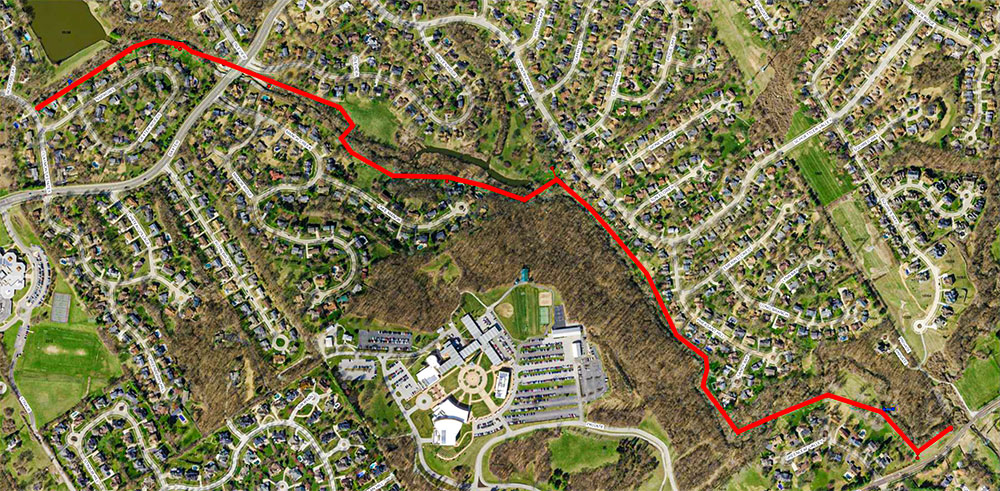
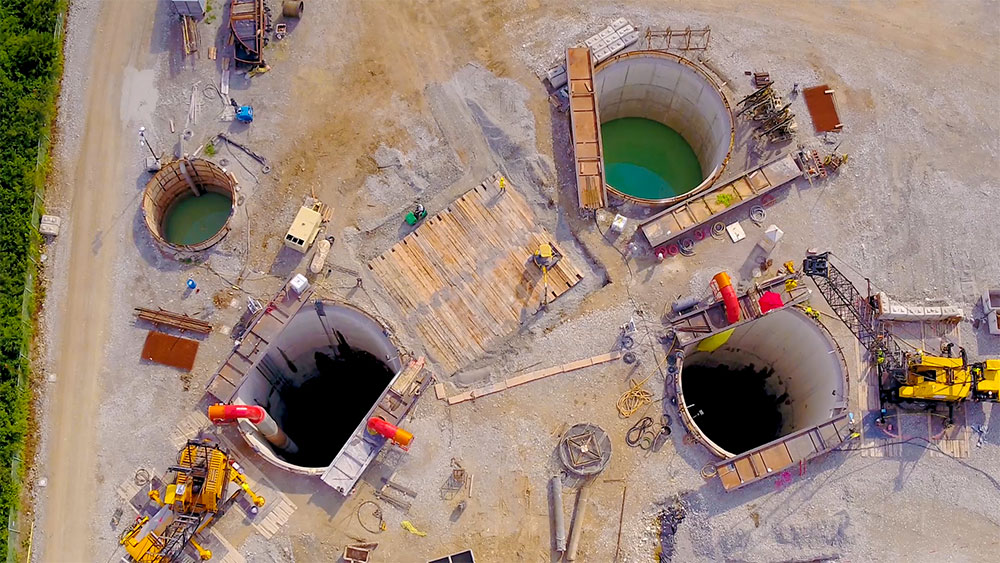
The Metropolitan St. Louis Sewer District is currently completing the second phase of a $6 billion, multi-decade Capital Improvement & Replacement Plan (CIRP) to update and rehabilitate MSD's aging wastewater collection and treatment system, one of the nation's largest and most complex.
This investment is necessary, in part, to protect the community from the health and safety risks associated with sewer overflows—the release of untreated wastewater into the environment. Between 1992 to 2010, MSD invested more than $2.3 billion in removing more than 300 of these overflows from our system. Today, fewer than 400 remain, most of which will be removed over the next two decades.
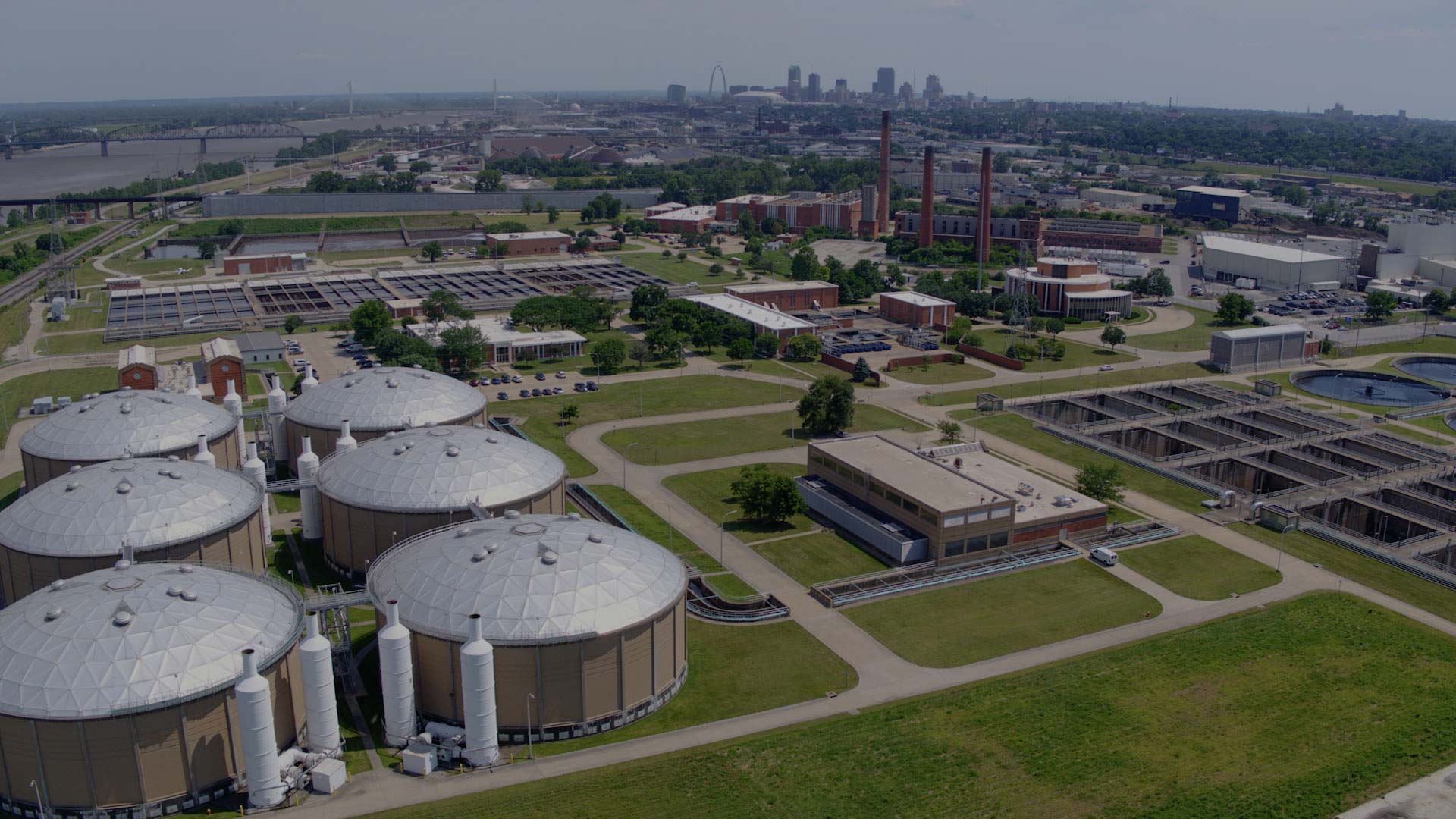
Other projects range from rehabilitating interceptors, pump stations and force mains, to making modifications and improvements to MSD's seven wastewater treatment plants. Many parts of our sewer system was built as much as 100 years ago or more, decades before MSD was even formed.
One of the largest construction projects ever undertaken in the St. Louis region, CIRP is expected to create of jobs and growth opportunities for local businesses throughout construction. Our modern wastewater collection and treatment system will then support viable and sustainable economic development for generations to come.
How CIRP is—and isn't—funded
CIRP is primarily funded through a combination of customer fees and bonds. MSD's new rate plan, which runs from July 1, 2013 to June 30, 2016, includes a substantial increase in customer charges, as well as $945 million in bonds (pending voter approval) to help fund more than $1 billion in needed improvements over the next four years alone.
MSD does not anticipate receiving financial support from the federal government for this construction program.